
Use AI to find winning angles fast. Then put a real person on the ones that scale.
I'm pro real UGC. We work with a network of 600+ creators. But there's a place for both, and the brands getting the most out of their ad budget right now are the ones using each for what it's actually good at.
This guide covers what AI UGC is, where it wins, where it falls down, the rules we follow, and how we combine the two.
What is AI UGC?
AI UGC is user-generated-style ad content made with AI instead of a real creator. That can mean an AI-generated person on camera, an AI voiceover over real footage, or AI-generated scenes built around your product.
It's taken over one specific job: the generic "hold the product up, smile, say it's amazing" video. AI makes that faster and cheaper, and it can do 20 takes without a reshoot invoice.
The quality bar is now high. One of our editors made an AI creator eating sweets, with the lens pulling focus from the sweet to her face. It took three watches to spot anything off.
The types of AI UGC ad
"AI UGC" covers a few very different things. Each one does a different job.
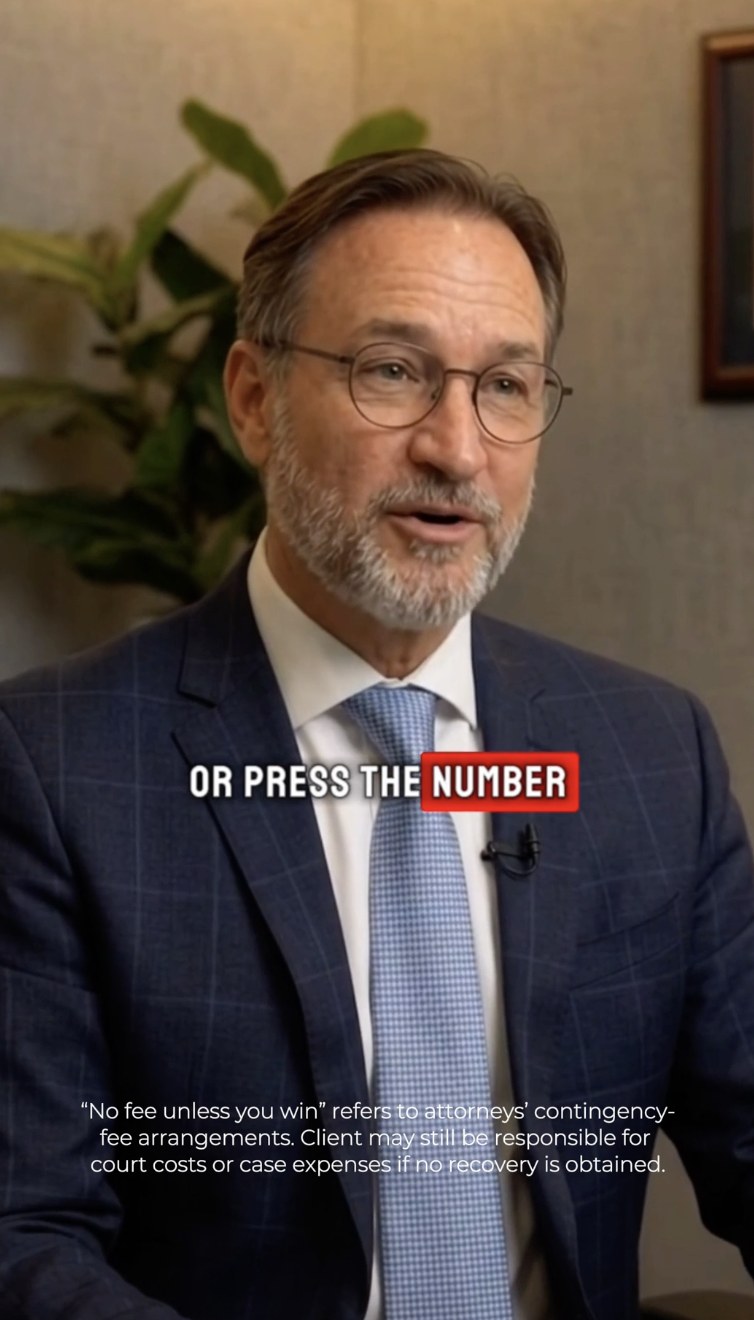 AI PRESENTER
 AI UGC
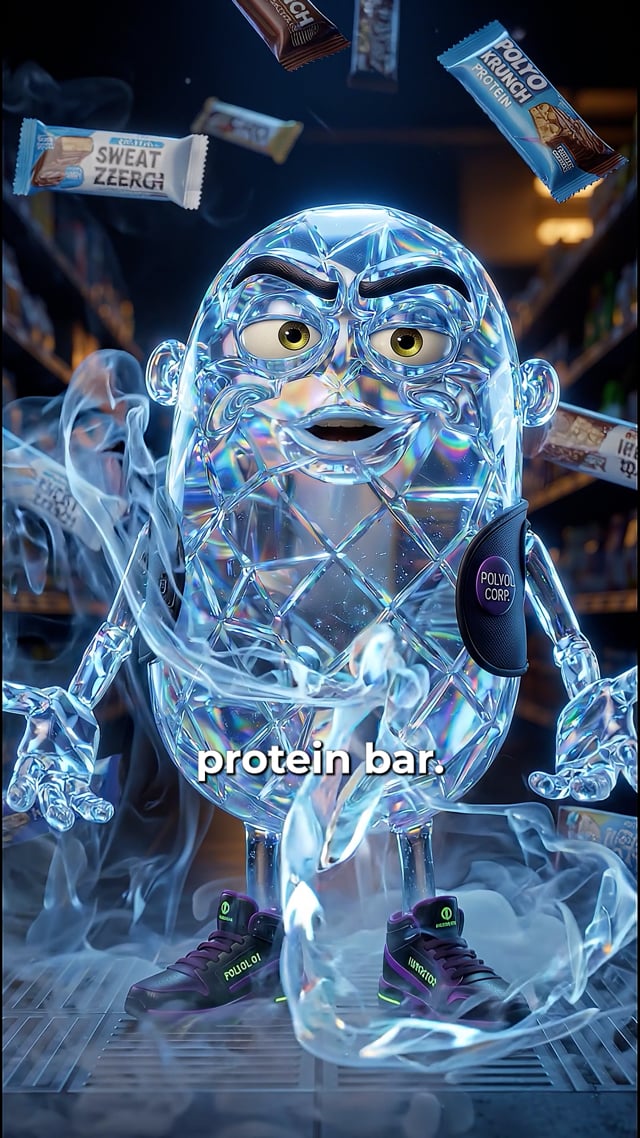 AI ANIMATION
 AI UGC
 AI ANIMATION
AI UGC creators. An AI-generated person filmed as if on a phone, talking about the product the way a creator would. Best for testing hooks, scripts and angles quickly, because you can change one line without a reshoot.
AI presenters. A polished AI spokesperson who explains how a product works. Useful for product demos and explainers where the message matters more than personal trust.
AI animation. Animated scenes that show what a camera can't: ingredients breaking down, a mechanism working inside the body, a before and after, a product being built. Great for explaining the why behind a product in a few seconds.
AI voiceover over real footage. Real UGC clips or product footage with an AI-generated voiceover. You keep real faces and change the script as often as you like.
AI statics. One proven angle turned into a batch of static ads with different images, headlines and layouts.
AI UGC vs real UGC at a glance
| AI UGC | Real creator UGC | |
|---|---|---|
| Speed | Concept to testable ad in hours | Filming, shipping and editing take days to weeks |
| Changing one line | Instant, no reshoot | A reshoot or a pickup |
| Trust | Can collapse if the tone feels robotic | Real people who've used the product |
| Best for | Testing hooks, angles, languages and scripts fast | Scaling proven angles, testimonials, reactions |
| Main risk | Claims, disclosure and "AI slop" perception | Slower testing, creator no-shows, uneven quality |
Where AI UGC wins
Testing one variable at a time. An AI creator holds every other variable constant, so you can test the hook, script, CTA, tone or language on its own. That makes clean, single-variable tests cheap. Here's why that matters for how you test creative.
Voiceovers over real footage. One of our nutrition clients' long-running winners is a mash-up of real UGC clips with an AI voiceover, framed as an industry exposé. Several real faces read as several testimonials, and the AI voice adds novelty.
Localisation. For one lead-gen client we run AI UGC in English and native US Spanish from the same concept.
Statics at volume. We use AI image tools to turn one proven angle into a batch of runnable static ads.
Speed. AI goes from concept to testable ad in hours, not weeks. It doesn't wait on filming, shipping or creator replies.
Hooks at scale. You can test 10 openings for the price of one shoot, then put your budget and a real creator behind the one that wins.
Showing what a camera can't. Some messages are hard to film: how an ingredient works, what happens inside the body, a before and after that would take months to shoot. AI animation explains them in seconds, and it often reaches people your talking-head ads miss.
New audience pockets. Because AI makes new formats and messages cheap to produce, you can test animated explainers, new angles and new personas at a scale that would be unaffordable with shoots. Each genuinely different ad is a chance to reach a new group of buyers.
AI ads we've made
A few of the AI ads we've produced for ecommerce brands, from AI UGC to animation:
Where real UGC still wins
Trust. A creator who has actually used the product brings details and reactions a prompt can't make up.
The hook delivery. A real person's timing, expression and energy in the first 3 seconds is still hard to fake.
Scaling. Plenty of people now call AI ads "slop". The ads you put serious budget behind should have a real face on them.
Proof. Testimonials, taste tests and genuine reactions only work when the person and the reaction are real. That's a job for creators, never for AI.
Where AI UGC falls down
- Tone. As one of our briefs puts it: "a robotic or condescending voiceover tone will collapse trust instantly."
- Claims. AI scripts drift towards claims nobody can back up. Customer sentiment should be framed as sentiment, never as a product claim.
- Disclosure. Regulated categories need disclosures on screen, such as "Digital spokesperson. Not a real person." or "Voice generated using AI."
- Strategy. AI output without a testing plan is just volume. AI ads aren't the problem. AI with no strategy is.
How we combine AI and real UGC
- Test angles with AI. Use AI creators and voiceovers to find which angles and hooks move CPA, fast and cheaply.
- Put a real creator on the winners. Once an angle proves itself, we cast a real creator who fits the persona and reshoot it properly.
- Layer the two. Real UGC footage with an AI voiceover gives you real faces and fast iteration.
- Keep the body constant and rotate hooks. AI makes single-variable tests cheap, so every result explains itself.
Our rules for AI ads
- Disclosure on screen wherever the category or the client's compliance rules require it.
- No fake testimonials and no invented results. Only real, verifiable numbers.
- Sentiment, not claims. No unverifiable medical or health claims.
- Consent from everyone filmed, including the real footage in hybrid ads.
- Client approval before anything goes live.
AI UGC tools, creators or a UGC agency?
AI tools and freelance creators are both fine places to start. Bring in a UGC agency when you see these signs:
- You're shipping 10+ creatives a week and revenue is still flat.
- Nobody can explain why your last winner worked, so it can't be rebuilt.
- More than 5 of your last 10 ads say the same core idea in different packaging.
- Creator admin is eating your week: ghosting, ignored briefs, reshoot refusals, uneven quality, unclear usage rights.
- Your AI output is all volume and no strategy.
What we do differently
- A testing system, not a content feed. Every creative has a hypothesis behind it, and a tracker shows which angles, hooks and formats won.
- Both AI and real creators under one roof. 600+ vetted creators across the UK, Ireland, US, Canada, Australia and UAE, plus in-house AI ad creative production.
- Briefs built from customer research, not copied from the ad library.
- Speed. Your first creatives go live in 10 to 15 working days, with 2 revision rounds.
"We've tried agencies before."
Most content agencies sell output, not outcomes. They deliver a batch of videos and move on. We run a testing system with a hypothesis behind every creative, so each batch is built on what the last one taught us. And if you already make ads in-house, that's fine: the hard part isn't making ads, it's knowing what to make next.
Not sure where AI fits in your account?
Book a Creative Diagnostic. It's a live teardown of your account's creative on the call: where AI could speed up your testing, where you need real creators, and the angles we'd test first.
Book a free Creative DiagnosticA live teardown of your ad creative, on the call. No obligation.FAQs
Do AI-generated ads actually work?
They can, when they're built on real customer insight and tested properly. For trust-heavy messages, real creators usually win, which is why we use both.
Why not just use an AI ad tool?
A tool gives you output, not decisions. It doesn't know your customer, run a testing plan, or tell you when a real creator would win. The hard part isn't generating ads, it's knowing which ones to make.
What is AI UGC?
AI UGC is user-generated-style ad content made with AI: an AI-generated person on camera, an AI voiceover over real footage, or AI-generated scenes built around your product.
Is AI UGC better than real UGC?
Neither is better across the board. AI UGC is faster and cheaper for testing hooks, angles and languages. Real creators build more trust and are better for the ads you scale. Most brands should use both.
Do AI UGC ads need to be disclosed?
In regulated categories, yes, on screen. Always follow Meta's current rules on AI-generated content and your own compliance requirements, and never present an AI person as a real customer.
Can AI UGC replace real creators?
It has replaced the generic product-in-hand video. It hasn't replaced creators who have used the product and can deliver a hook with real personality, which is still what scales.
Should I hire a UGC agency or use AI tools myself?
AI tools work if you have a clear testing plan. Consider a UGC agency when you're producing lots of creative but can't explain your winners, or when managing creators is taking over your week.