
You don't need followers to become a UGC creator. You need to be able to make a brand's product look like something a real person would buy.
UGC creators film short videos that brands run as ads on Meta and TikTok. The ad runs from the brand's account, not yours, so your audience size doesn't matter. Your footage does.
We run a network of 600+ creators across the UK, Ireland, the US, Canada, Australia and the UAE for our UGC ads service, and we've shipped 5,000+ ad creatives for 20+ brands. This guide is what we look for, what gets creators rebooked, and how to film ads that actually sell.
What a UGC creator actually does
A UGC creator is paid to film content for a brand to use in its ads. A typical job looks like this:
- You get a brief. Reference ads, product information, the brand's values, a script or talking points, and the point of the video.
- You film. The main video, plus extra hook, body and call to action variations if the brief asks for them.
- You hand over the files. Usually the finished edit, and often raw footage and extra B-roll too.
- You do the agreed revisions, under a contract you signed before filming.
When you work with an agency like ours, the agency finds the brand, writes the brief and handles the client. You focus on filming.
UGC creator vs influencer
Reach is what the brand is buying.
No audience needed. Meta finds the buyers.
Since Meta's Andromeda update, Meta reads the ad itself (the visuals, a transcript of what you say and the text on screen) to decide who sees it. The brand's ad account and Meta find the audience. Your follower count doesn't do that job, your footage does.
The exception is partnership ads, where the ad runs through your own handle and uses your audience as well. That's a separate arrangement, and it's usually agreed and paid separately.
Why brands need you: "struggling to find good quality UGC" is one of the most common problems the ecommerce founders we talk to describe. Brands that test properly need a steady supply of new faces and new videos every month.
What brands and agencies look for in a creator
These are the things we look at when we choose creators for a campaign.
- You look and sound like a specific customer. A new creator only reaches new buyers if they're genuinely a different person. A 60-year-old saying the words reaches different people from a 25-year-old. Another 25-year-old saying the same thing reaches the same people again. Being specific is worth more than being polished.
- You're native to the market. The same script goes to a different creator in each country, because native accents perform better.
- You understand the ad has to sell. The most common complaint we hear from brands about creative is that it "looks good but doesn't convert". Creators who think about why someone would buy are the ones we rebook.
- Your own content is your audition. Brands judge you on what you already post, because what they get back will look like that.
- You're genuinely into the product. Boredom shows on camera, and stiff, low-energy delivery is the fastest way to not get rebooked.
The kit you actually need
A phone is enough. A recent iPhone gives the natural look brands want. In our own brief for one winning ad, the phone-shot UGC look was a big part of why it worked: it lowered ad suspicion, so people watched it as a post rather than an ad.
Raw beats polished. A creative review we ran for a food brand in June 2026 found raw, authentic footage beating high-production work.
What overkill looks like: studio lighting, perfect symmetry and a "model agency" face. That's the look that reads as an ad. Window light or selfie lighting, a quiet room and a steady phone will do far more for you than a lighting kit.
Film to the delivery spec. Most of our UGC is delivered in 9:16 and framed so it still works cropped to 1:1:
- Keep your face and the product in the centre of the frame.
- Leave about 10% clear at the top and bottom for captions and buttons.
- Put the hook in the top third of the frame.
How to build a UGC portfolio with no clients
You don't need paid work to build a portfolio. You need to show a brand you can do the job.
- Film products you already own. Treat each one like a real brief: who it's for, what problem it solves, why you'd buy it.
- Show the brief next to the result. One of the best ways to judge a creator is their work alongside the brief that produced it. A creator who makes something strong from a thin brief gets trusted with more freedom.
- Show you can shoot in modules. Include a few separate hook takes on the same body, plus raw footage and B-roll. Agencies test by swapping the hook and keeping the body the same, so clean, separate hook takes make you easier to work with.
- Show range. Different customer types, situations and formats (talking to camera, unboxing, product demo, voiceover with B-roll), not the same delivery ten times.
- Show you think in sales. Write one line under each video on who it's for and why they'd buy.
 STREET INTERVIEW
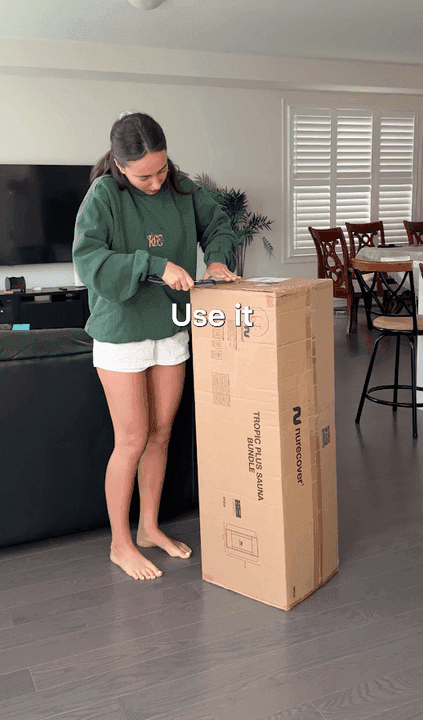 UNBOXING
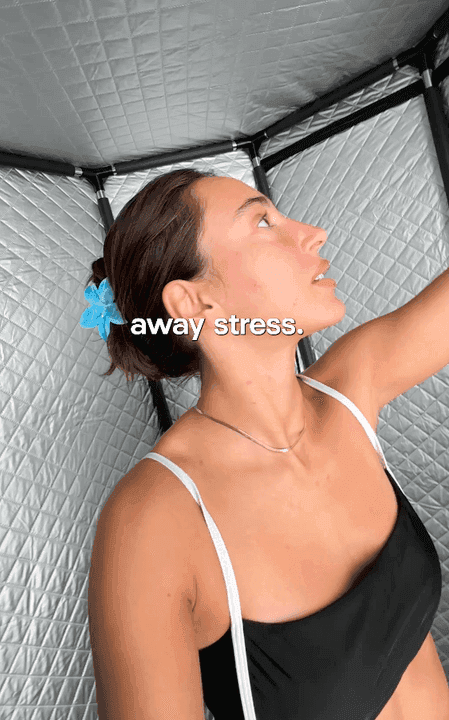 PRODUCT DEMO
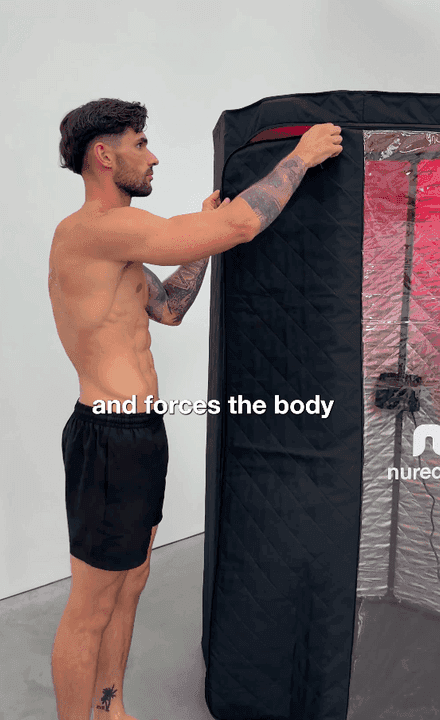 PRODUCT DEMO
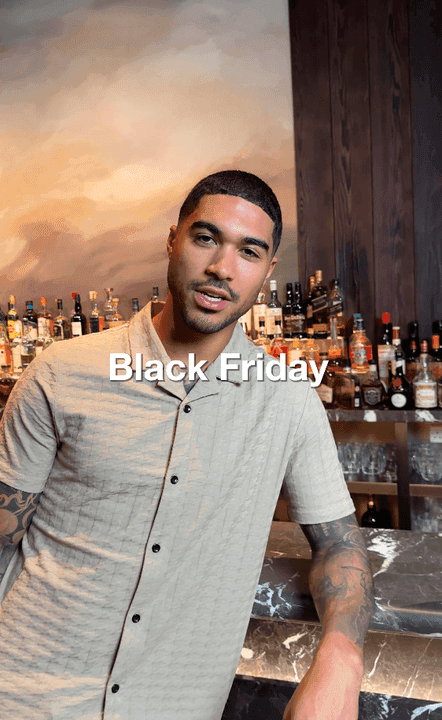 STUDIO
 STUDIO
How to find paid UGC work
- Agencies and creator networks. Agencies like ours run campaigns for several brands at once and match creators to each brief. One application can lead to work across many brands. You can apply to join the 225 Media creator network here.
- Brands directly. Pitch with two or three portfolio videos that match their product category, not your whole reel.
- Sell more than full videos. Brands that already have content will often buy a hook bank: short, separate hook clips they can put on ads that are already running. It's a smaller job that gets you in the door.
How UGC creators get paid
Rates vary a lot by brand, market and deliverables, so we won't give numbers here. What we can tell you is what moves the price:
- Raw footage and extra B-roll are a bigger ask than a finished video, so they're usually priced separately.
- Usage terms. How long and where the brand can run your content changes the price. Longer, broader usage costs more.
- Extra hooks, bodies and calls to action are extra deliverables.
- Over-detailed briefs take more time, so they cost more or get turned down.
- A new script is a new job, not a revision.
Usage rights, whitelisting and contracts
Agree all of this in writing before you film:
- Usage: how long, and where the brand can run your content.
- Payment terms, and when you get paid.
- Whether raw footage and B-roll are included.
- How many revisions, and what counts as one. We give brands two revision rounds per asset, so expect up to two rounds of notes on our campaigns.
- Whitelisting, if the brand wants to run ads through your own profile. That's a separate permission from usage.
Sending work watermarked and releasing it once you're paid is normal practice.
Only say what you can stand behind. Stick to the claims in the brief and on the product page. Brands get caught out on claims like "high in fibre", which has a legal threshold in the UK and EU, and a protein figure that wasn't true for every size of the product. You can talk about your own results as a real person. That's something AI can't truthfully do.
How to film a UGC ad that performs
Most of what makes UGC work is decided before you press record.
- Know who it's for. Start with who the ad is for, why they'd buy and what the offer is. The format comes last.
- Say who it's for out loud. Meta transcribes what you say and uses it to find that person. "If you're a new mum..." does targeting work for the brand.
- Open with the point of the video, not a gimmick or a stock question.
- Keep the hook and body talking to the same person. A hook aimed at someone the rest of the ad isn't for pushes the ad to the wrong people.
- Mix information with emotion. What problem it solves, and why you personally like it. Speak to "you", not "I".
- Keep the picture moving. Change the B-roll every 1 to 3 seconds in a 30 to 60 second ad.
- Shoot hooks as separate, clean takes. We swap the hook on winners that are wearing out and relaunch them as fresh ads, so separate takes give your video a longer life.
- Be concrete. In one of our winning ads, "5 boxes for the price of 4" beat a percentage discount because it's clearer, and a real proof point kept it believable.
Many creators say their best ads open talking to camera and then cut between voiceover and B-roll. For story ads, open on something the viewer has been through and bring the product in halfway through.
Why creators don't get rebooked
- Stiff, low-energy delivery.
- Content that doesn't match your own style, so the brand gets something different from what they hired you for.
- Going off-brief on claims.
- Missing deadlines. We promise brands first creatives within 10 to 15 working days, so late footage holds up the whole campaign.
- Arguing over what counts as a revision, usually because it wasn't agreed up front.
- Working without a contract.
Will AI replace UGC creators?
Not the good ones. We use AI in production every day, and our rule is AI in the middle (scripts, briefs, hook variations, statics) and humans at the ends (picking the idea and judging the results).
The best-performing AI format in our accounts so far is AI voiceover over real creator footage. The creators filmed once, and their footage kept selling in edits they never saw. AI multiplied the footage. It didn't replace the person in it.
Where AI still falls down is exactly where creators win: uncanny faces and hands, robotic voices that collapse trust, and made-up claims. A real person can speak to their own results. AI can't. If you want to see what brands are doing with AI, our guide to AI generated ads covers it.
Join the 225 Media creator network
We work with 600+ creators across six markets, filming UGC ads for ecommerce brands in supplements, wellness, beauty, skincare, fashion, accessories, jewellery, home, pet and food. We write the briefs and handle the brands, so you can focus on filming.
Are you a brand looking for UGC that sells?
Book a Creative Diagnostic. It's a live teardown of your ad creative on the call: which UGC is carrying your spend, which customers you're not reaching yet, and which creators and concepts we'd test next.
Book a Free Creative DiagnosticA live teardown of your ad creative, on the call. No obligation.FAQs
Do you need followers to be a UGC creator?
No. UGC ads run from the brand's account and Meta finds the audience, so brands pay for your footage, not your followers. The exception is partnership ads, which run through your own handle.
What equipment do I need to start UGC?
A recent smartphone, natural light and a quiet room. Studio lighting and polished production often make UGC perform worse, because it starts to look like an ad.
How do I make a UGC portfolio with no experience?
Film products you already own as if they were real briefs. Include separate hook takes, raw footage and a range of formats, and add a line on who each video is for.
How do UGC creators get paid?
Usually per video or per package, with extra for raw footage, B-roll, extra hooks and longer usage rights. Agree usage, revisions and payment terms in writing before you film.
What's the difference between a UGC creator and an influencer?
An influencer is paid for their audience and posts on their own account. A UGC creator is paid for the content, which the brand runs as an ad from its own account.